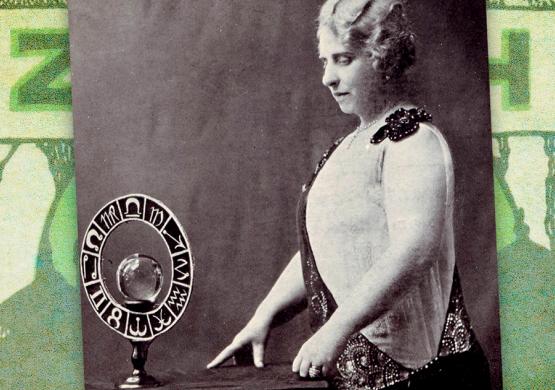
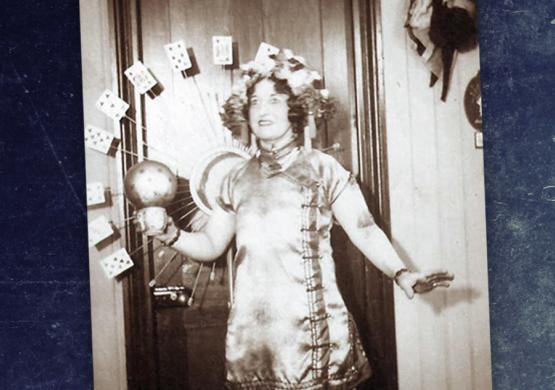
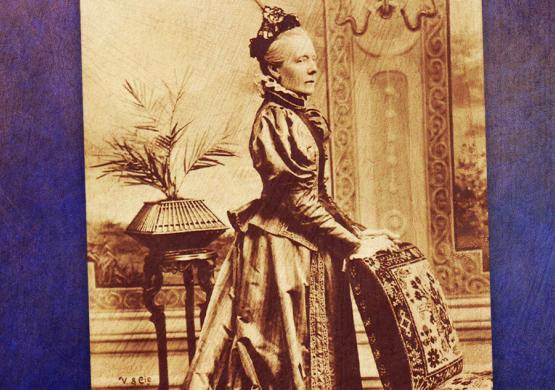
Madam Zomah's real name was Adelaide Ellen Giddings, and she and her husband, Alfred James Giddings, performed a telepathy act as “The Marriotts” until 1910, when they changed the name to the Zomahs.
Okay, I admit, "X" was a tough letter, so I blended what I had on magicians filed under "X" for this series, and blended it with my entry for "Y." So consider this a two for one! Here, you will learn a few X magicians and also about an English magician, The Wizardette, who was also called England's leading magician in 1936.
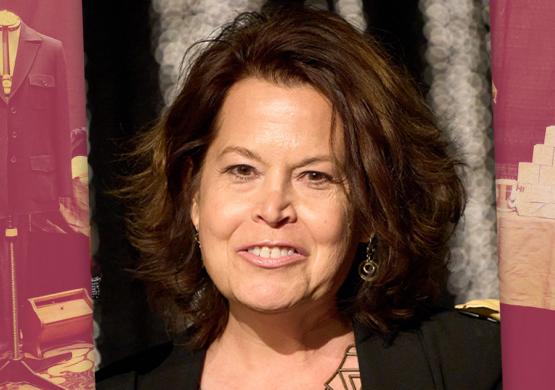
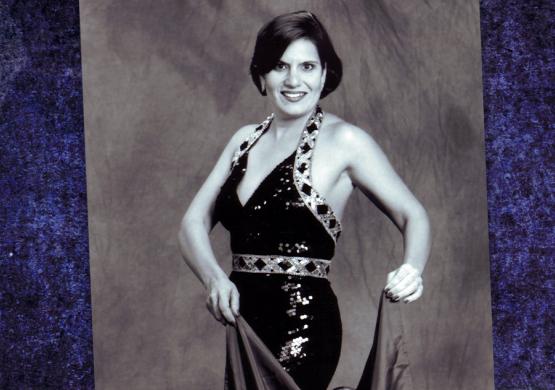
There are very few magic manufacturing businesses owned and operated by women, and one highly respected name in the industry is Lynetta Welch of Fabric Manipulation. Lynetta was first influenced by Ricky Jay and Doug Henning—drawn to them by their wonderful magic, and also because they rejected the traditional image of the magician in white tie and tails.
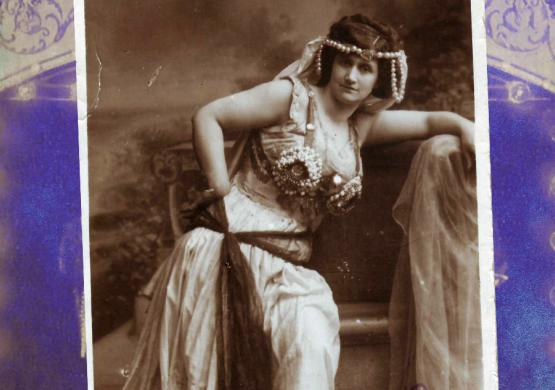
Vonetta was an illusionist and quick-change artiste from Scotland who flourished in the British music halls in the early years of the last century. Learn how she carved out a considerable career during a restrictive time for women to learn, shine and flourish on the stage.
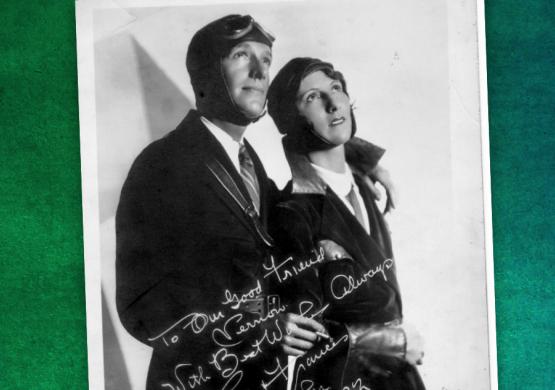
Frances Usher certainly deserves credit as one half of an extremely successful mind-reading act. She joins a long line of women—Kitty Baldwin, Agnes Zancig, Mary Floyd, to name just a few—as indispensable second-sight partners. And to clarify—these are not assistants. They are partners. Without them there is no act.
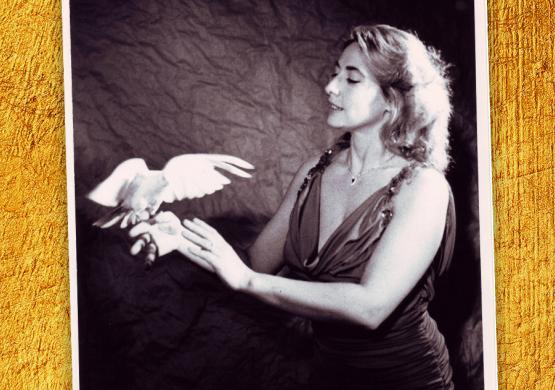
Her father may have sparked her original interest, but a trip to the Columbus Magi-Fest in 1983 sealed her fate. She enroll in the Chavez school, where she studied with Neil Foster. Only the third woman to complete the course, Jania still loves to do the card fans, billiard ball productions, and zombie routine that she perfected there.
Beverly truly represents "the magic of perseverance." While her father may have sparked the initial interest in magic, this magician and author found her true calling as a stage performer, all on her own. Her story of resilience is as inspiring as her magic.
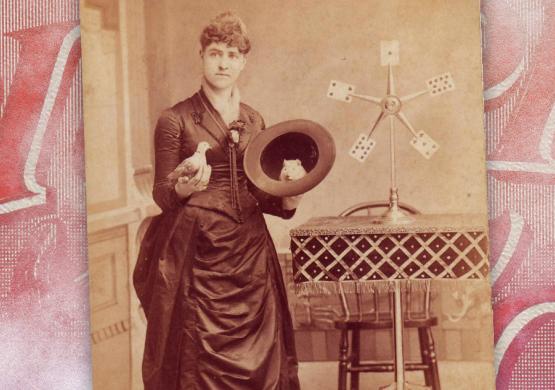
She married into magic early in life, at the age of nineteen. With no theatrical training in her formative years, Emma Reno was a quick and agile student of magic, and soon had her own magic act allowing her and her husband to maintain not one but two successful acts in the early 1900s.
One nineteenth-century royal who went from spectator to student was Maria Henrietta, Queen Consort of Belgium, who had the unique distinction of learning magic from both of the Herrmann brothers.